Bridgerton Season 4 Soundtrack: Songs by Episode and Meaning
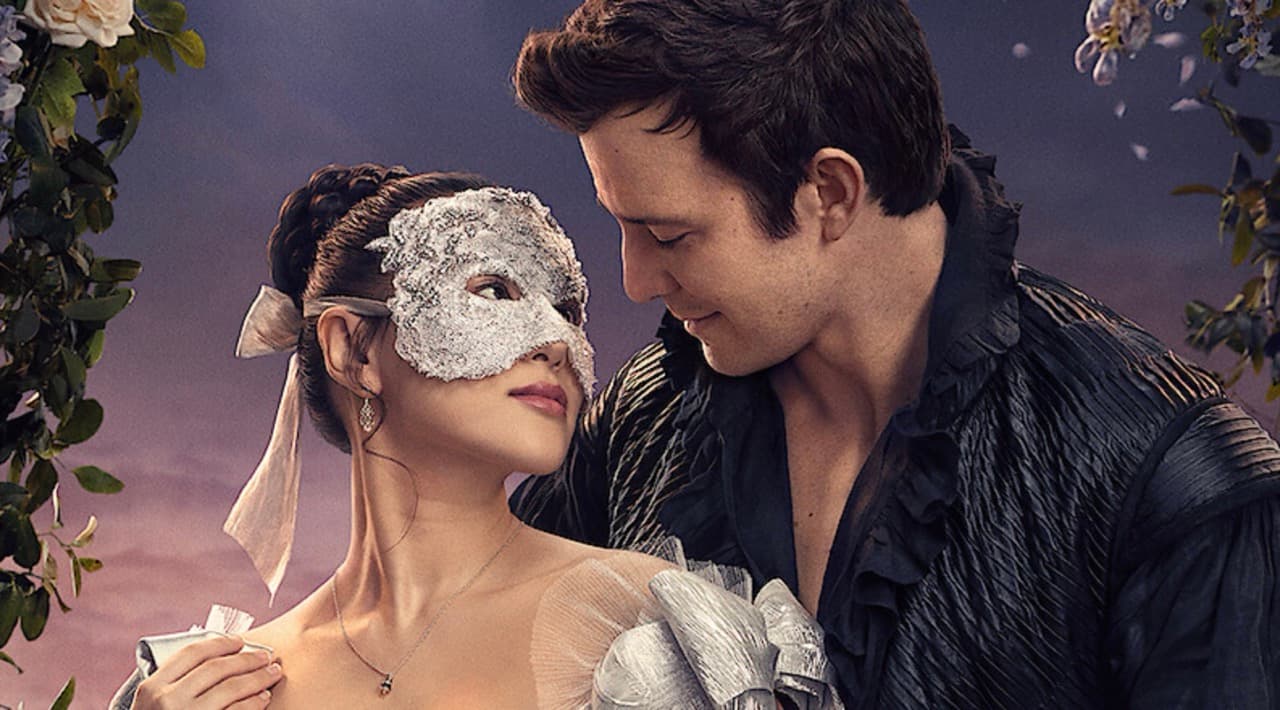
The Bridgerton Season 4 soundtrack brings modern pop songs into a quieter, instrumental space. Across the season, these covers are placed at specific moments to shape how scenes are felt rather than explained. This guide looks at selected songs by episode and how they connect to Benedict and Sophie’s story.
How music follows Benedict and Sophie’s story
The relationship at the center of Season 4 develops through distance, shifting identity, and delayed recognition. Music reflects that movement. Instead of assigning one defining track to each episode, the soundtrack uses several covers where needed. Still, looking at songs by episode helps show how tone changes over time, from first encounter to quiet recognition.
Episode 1 songs: “Life in Technicolor” and first impressions
One of the key songs in Episode 1 is “Life in Technicolor” by Coldplay, heard as Sophie enters the ballroom. The track builds without pointing to a clear emotional direction, which fits a moment of arrival. She is part of the scene, but not yet fully placed within it. The music keeps that openness intact, allowing the first impression to feel slightly undefined rather than resolved.
Episode 2: Romantic projection in “Enchanted”
“Enchanted” by Taylor Swift appears during a scene where Benedict and Sophie share attention without certainty. The song already carries a strong association with idealized first encounters and imagined connection. That meaning remains, even without lyrics. What matters here is not what the characters say, but what they might be projecting onto each other. The arrangement holds that space, allowing the moment to feel larger than what is actually happening.
Episode 3: Emotional overlap in “All I Wanted”
“All I Wanted” by Paramore accompanies a moment where different emotional directions begin to separate. The original song is built around expectation that is not fulfilled, and that tension carries into the scene. One path seems to move forward, while another quietly recedes. The music does not resolve that contrast. It allows both to exist at once, which leaves the scene slightly unsettled.
Episode 4: Contradiction in “bad idea right?”
With “bad idea right?” by Olivia Rodrigo, the tone shifts toward impulse. The title itself already suggests conflict between action and awareness. That idea shapes the scene: movement happens quickly, but without full clarity. The faster arrangement supports that urgency, while the underlying hesitation remains present. The result is a moment that feels driven, but not fully stable.
Episode 5: Contrast between movement and stillness
Episode 5 uses more than one cover to shift tone within the same episode. “360” by Charli XCX brings a sense of repetition and outward movement, often supporting scenes where attention is less focused on a single emotional point.
In contrast, “Birds of a Feather” by Billie Eilish introduces stillness. The song is widely connected to closeness and shared identity, and here that meaning appears in small gestures and quiet observation. The transition between both tracks shows how quickly the emotional frame can change.
The transition between both tracks shows how quickly the emotional frame can change.
Within the same episode, “Lose Control” by Teddy Swims marks a clear shift in Benedict and Sophie’s relationship. After a long period of hesitation, the scene moves closer, and the song reflects that release. The title itself mirrors what is happening: control is no longer maintained, but gradually given up. In that sense, the track also works as a continuation of “bad idea right?”, where impulse and doubt still defined the moment. Here, that uncertainty gives way to decision.
Episode 6: Memory and distance in “Fields of Gold”
“Fields of Gold” by Sting introduces a reflective layer. The song is closely tied to memory and looking back, and that association shapes how the scene is perceived. Even as events unfold, the music creates a slight distance, as if the moment is already slipping into the past. This does not interrupt the scene, but gently shifts how it is held.
Episode 7: Holding back familiar references
One episode stands out by not using a modern pop cover. This choice does not remove music entirely, but it avoids adding a recognizable external layer. In a moment shaped by loss, that absence keeps the focus on what is happening within the scene rather than referencing something outside of it. Attention moves toward dialogue, pauses, and what remains unresolved between characters.
Episode 8: Recognition in “Never Be the Same” and “The Night We Met”
In the final episode, songs like “Never Be the Same” and “The Night We Met” reflect a shift from uncertainty to recognition. Both tracks are strongly associated with change that cannot be undone. In the closing scenes, that meaning feels settled rather than exploratory. The music does not introduce something new. It mirrors what has already changed.
Why the Bridgerton Season 4 soundtrack works
The strength of the soundtrack lies in how it balances familiarity and restraint. Well-known songs bring their own meanings, but the orchestral arrangements reduce them to tone and timing. This allows scenes to stay open rather than fixed. The music does not explain what a moment means. It shapes how it feels, while leaving space for different interpretations.
Further reading: