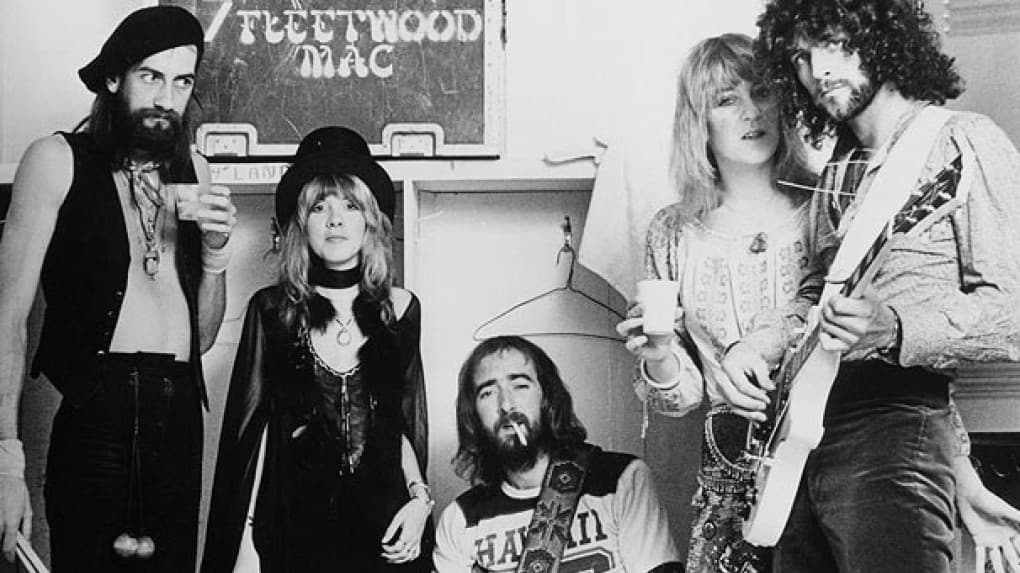
"Gypsy" by Fleetwood Mac: Lyrics Meaning Explained
"Gypsy" by Fleetwood Mac blends memories of Stevie Nicks' early life with reflections on change, loss, and personal freedom. Rather than looking back with regret, the song revisits the places and moments that helped define who she was before fame.
The story behind "Gypsy"
Released on Fleetwood Mac's "Mirage" album, "Gypsy" was originally written with Stevie Nicks' solo career in mind. Instead, it became one of the band's signature songs and remains among her most personal pieces of songwriting. Over the years, Nicks has described "Gypsy" as a "very real" song. In several interviews, she explained that its lyrics draw directly from her own memories, blending moments from her early life with the emotions she experienced as her career changed.
Watch the official music video for “Gypsy”:
What "Gypsy" is about
For Stevie Nicks, the "gypsy" is not a fictional character. She has said that the gypsies, Saras, Juliets, and other women in her songs are all different sides of herself. In "Gypsy," that character represents the free-spirited woman she was before joining Fleetwood Mac.
The song looks back to a time when she and Lindsey Buckingham lived with very little. Their apartment was simple, with a mattress on the floor, lace at the windows, and paper flowers decorating the room. Despite having almost nothing, Nicks remembers that period as calm, creative, and deeply comforting.
So I'm back, to the velvet underground
Read the full lyrics to "Gypsy" by Fleetwood Mac.
The meaning behind the lyrics
One of the song's most memorable lines is "Back to the velvet underground." Rather than referring to the famous band, Nicks explained that it points to a small clothing store in San Francisco where Janis Joplin often shopped. The reference reconnects her with the city, the artists who inspired her, and the beginning of her musical journey.
The following lines about returning "to the floor that I love" recall the mattress she kept on the floor in those early years. Even later in life, Nicks recreated that simple room whenever she needed peace, seeing it as a way to reconnect with herself.
A song with two meanings
Although "Gypsy" celebrates freedom and independence, it also carries a quieter sense of loss. Nicks later revealed that the line "I still see your bright eyes" became connected to her close friend Robin Anderson, who died from leukemia shortly after the song was written.
That personal loss gives the song another layer of meaning. Alongside memories of simpler days, "Gypsy" became a tribute to a lifelong friendship and a reminder that some chapters of life cannot be revisited except through memory.
Why "Gypsy" still resonates
Part of the song's lasting appeal comes from its balance between looking back and moving forward. Rather than wishing to relive the past, Nicks reflects on the freedom, creativity, and quiet confidence she found during those early years.
The lyrics remain open enough for listeners to bring their own experiences to them. Whether someone hears a story about artistic beginnings, personal independence, or remembering people who are no longer here, "Gypsy" leaves space for all of those interpretations.
Further reading: