"La Llorona" Meaning: The Legend Behind the Song
"La Llorona" is one of Mexico's most haunting traditional songs. Its title means "The Weeping Woman", immediately connecting it in listeners' minds with the famous ghostly figure. But there is a catch: the song does not simply tell the familiar La Llorona legend.
What is "La Llorona" actually about?
There is no single definitive answer because there is no single definitive version of "La Llorona".
The song comes from the Isthmus of Tehuantepec in Oaxaca and has been passed down in different forms. The earliest known printed versions date to the 1930s, but most folklorists consider it a traditional song without a known author. Singers have changed, combined and added verses over generations.
What stays remarkably consistent is the emotion.
"La Llorona" brings love and suffering so close together that they become difficult to separate. The person being addressed can feel like a lover, someone who has been lost, or an almost ghostly figure who exists somewhere between desire and grief.
That uncertainty is part of the song's power.
Listen to "La Llorona" by Chavela Vargas
What is the legend of La Llorona?
La Llorona means "The Weeping Woman".
In one of the best-known versions of the Mexican legend, a woman kills her children and is condemned to wander after their deaths, crying for the children she can never get back.
But there is no single definitive version of her story. Her identity, motives and fate change depending on who is telling it.
What survives is the central image: a woman unable to escape an unbearable loss.
And that is where the legend and the song begin to feel connected.
Is the song really about the ghost story?
Not exactly.
This is where "La Llorona" becomes more interesting than its title suggests. The traditional song does not give us a straightforward account of a mother killing her children.
Instead, its many verses revolve around love, separation, death and emotional pain. Because different singers have performed different combinations of verses, trying to find one fixed storyline can actually miss the point.
"La Llorona" is less like a modern song with one canonical lyric sheet and more like an emotional framework that generations of performers have inherited.
The Weeping Woman is therefore more powerful as an image than as a character with one clear biography.
Which "La Llorona" lyrics reveal its meaning?
Because "La Llorona" exists in many versions, there is no single lyric sheet that every singer follows. But this version shows why love, grief and death are so difficult to separate in the song.
One verse makes the connection between love and loss especially clear:
"Pero, de olvidarte, nunca"
The singer says that he may be stopped from loving Llorona, but he will never forget her. That makes her sound less like a monster he fears and more like someone whose absence he cannot escape. Love survives here as memory, even when loving Llorona becomes impossible.
Love and suffering become even more directly connected in another verse:
"No sabe lo que es martirio"
The full thought says that someone who does not know love does not know martyrdom. Love is therefore not presented as an escape from suffering. In "La Llorona", the two experiences repeatedly exist side by side.
Another verse makes the relationship with Llorona feel surprisingly intimate:
"Tápame con tu rebozo"
The singer asks Llorona to cover him with her rebozo because he is dying of cold. That does not sound like someone simply fleeing a terrifying ghost. It can instead suggest closeness, comfort or desire, another reason the Llorona of the song should not automatically be treated as the murderous mother of the legend.
Not every performance of "La Llorona" uses these same verses. But in this version, love is something the singer cannot forget, something connected with suffering and something that still draws him toward Llorona rather than away from her.
Did La Llorona really kill her children?
Many versions of the legend connect La Llorona with grief or guilt over the loss of her children, but the details change dramatically. In some tellings she kills them herself; in others, they die or disappear under different circumstances.
What remains is the image of a woman condemned to keep mourning a loss she cannot undo. That emotional connection helps explain why the legend and the song fit together so easily, even though the traditional lyrics do not retell one definitive version of her story.
Why is Chavela Vargas associated with "La Llorona"?
Chavela Vargas did not write "La Llorona".
She did, however, record "La Llorona" several times, and it became one of the most emblematic songs in her repertoire.
That also shows what is unusual about "La Llorona". Because the song belongs to a folk tradition rather than one identifiable songwriter, each performer can reshape how we hear it.
The words may be old. The grief can sound completely new.
Why is "La Llorona" connected to Día de los Muertos?
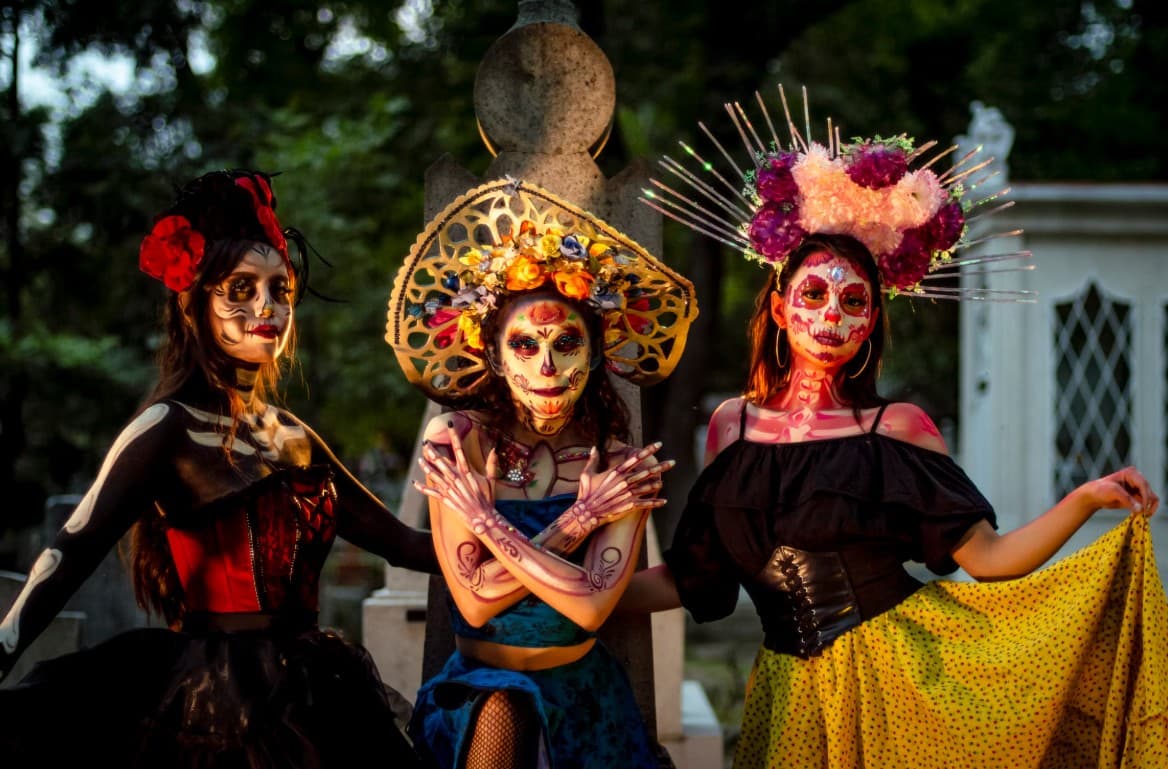
Its themes of mourning, death, memory and love that survives separation make "La Llorona" a natural fit for Día de Muertos performances.
Its appearance in Disney and Pixar's 2017 film "Coco" introduced "La Llorona" to another huge international audience.
Why "La Llorona" keeps changing
There may never be one definitive answer to who the Llorona of the song is. That is partly because generations of singers have inherited something more flexible than a fixed story: verses that can make her a lover, a memory, a source of comfort or a shadow of the famous legend.
The ghost story may give "La Llorona" its most famous image. The song has survived by refusing to give that image only one meaning.
Further Reading