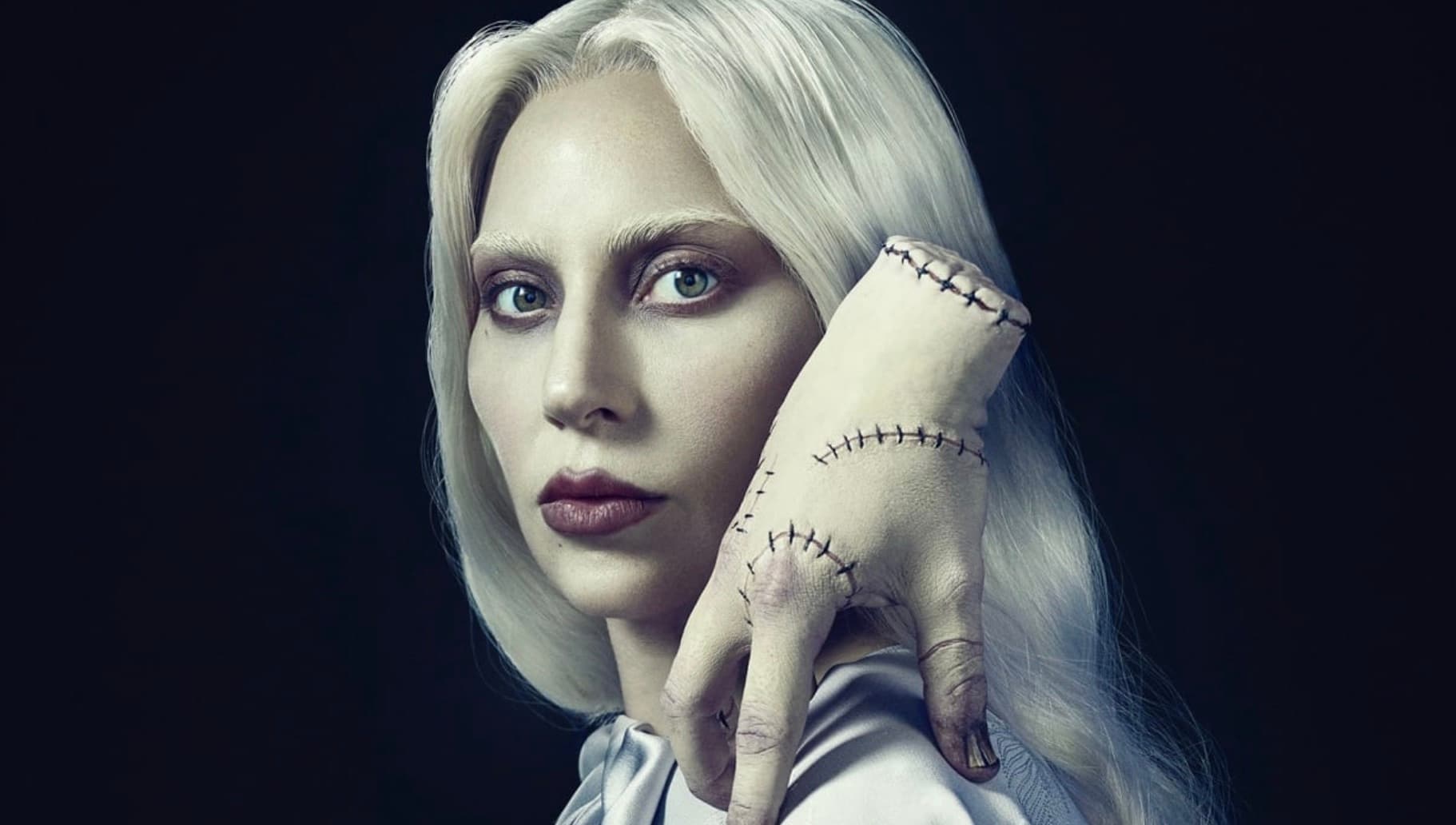
Lady Gaga's "The Dead Dance": A Song About Surviving Heartbreak
Lady Gaga's "The Dead Dance" uses gothic imagery to explore what comes after heartbreak. Rather than treating dancing as an escape, the song presents movement as a way of living with grief. Developed further for "Wednesday", it connects emotional recovery with the series' dark visual world without losing sight of its human core.
What "The Dead Dance" means
At its heart, "The Dead Dance" is less about losing someone than about what follows. The relationship has already ended before the song begins. Instead of revisiting arguments or explaining what went wrong, the lyrics focus on the difficult space that comes afterwards.
What makes the song distinctive is its central idea: the body keeps moving before the heart fully heals. Rather than staying trapped in sadness, the narrator chooses movement. Dancing is not presented as celebration or distraction. It becomes a way of carrying pain without allowing it to take complete control.
One line captures that idea clearly:
"I'll keep on dancin' until I'm dead"
The lyric initially sounds dramatic, but the song gradually changes its meaning. Persistence becomes more important than performance. The song never promises that heartbreak disappears. It simply refuses to let heartbreak have the final word.
See the official video of "The Dead Dance":
How the lyrics use gothic imagery
Much of the song's emotional character comes from its imagery. References to death, shadows, ghosts, and resurrection create a world that feels theatrical while remaining emotionally grounded.
These images are less about horror than transformation. Throughout literature and popular culture, death often symbolizes endings that make room for something new. "The Dead Dance" follows a similar path. The lyrics suggest that parts of the narrator's old life have disappeared, while the rhythm keeps pushing forward toward whatever comes next.
That contrast gives the song much of its personality. The production remains energetic even when the lyrics stay close to darkness, allowing sorrow and resilience to exist at the same time.
How the song became part of "Wednesday"
"The Dead Dance" became closely tied to "Wednesday" after Gaga developed an existing song idea further for the series. Rather than writing the track entirely from scratch, she adapted an idea she already had once she became involved with the production.
The connection extends beyond the soundtrack itself. Gaga appears in Season 2 as former Nevermore professor Rosaline Rotwood, while "The Dead Dance" accompanies a dance sequence involving Enid and Agnes. That combination makes the song feel naturally connected to the world of "Wednesday" instead of functioning as a standalone soundtrack contribution.
Why the "Bloody Mary" connection matters
The partnership between Gaga and "Wednesday" also builds on a relationship that audiences had already created themselves. After fans paired Wednesday Addams' viral dance scene with Gaga's 2011 song "Bloody Mary" on TikTok, the track experienced an unexpected resurgence and reached a new generation of listeners.
Because of that history, Gaga's involvement in Wednesday feels like a natural continuation rather than a surprising collaboration. "The Dead Dance" arrives in a world where her music and the series were already closely associated through fan culture.
Listen to "Bloody Mary”:
A familiar theme in Gaga's music
Although "The Dead Dance" belongs to the world of "Wednesday", its emotional themes fit naturally within Lady Gaga's wider catalogue. Many of her songs explore reinvention, resilience, and the decision to keep moving through difficult moments rather than waiting for perfect healing.
What makes this track different is how directly it connects those ideas to physical movement. Dancing becomes more than choreography or entertainment. It becomes a symbol of survival itself, giving the emotional message a clear and memorable shape.
Why "The Dead Dance" resonates
"The Dead Dance" works because it never separates grief from movement. Gaga sings from a place of loss, but the rhythm refuses to stop. Instead of presenting recovery as a sudden breakthrough, the song suggests that healing often begins with simply continuing forward.
Its hope is neither simple nor triumphant. It grows from the decision to keep moving, even when something inside still feels broken. That quiet persistence gives "The Dead Dance" its emotional weight and makes its gothic imagery feel surprisingly human.
Further reading: