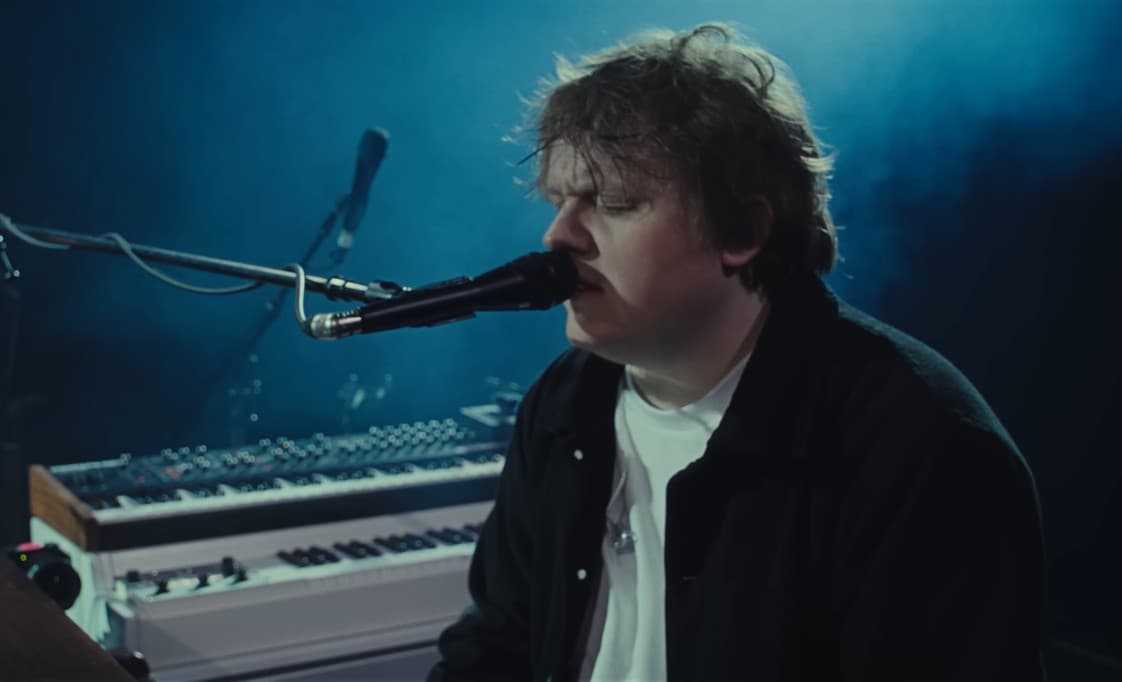
Lewis Capaldi "The Day That I Die": From Farewell to Gratitude
Lewis Capaldi's "The Day That I Die" imagines what he would want the people he loves to know if he were gone. Born from one of his darkest periods, the song turns an imagined farewell into messages of apology, reassurance and gratitude.
What Is "The Day That I Die" Really About?
Speaking to NPR, Capaldi described experiencing very dark days after coming off the antidepressant sertraline. Looking back while writing, he began wondering what he would say to people if he had succumbed to those moments.
He compared the idea to writing a "suicide note," while making clear that he was doing well when he discussed it.
Capaldi has also described "The Day That I Die" as being about the lowest he had felt in his life. His label said the song was written about a period when he did not think he would still be here.
But the lyrics do something important with that starting point. They spend surprisingly little time describing Capaldi himself. Instead, almost every verse turns toward somebody else.
His Mother, Friends and Sister Are the Real Focus
The opening immediately establishes that pattern.
Capaldi imagines his mother crying, but the message he wants delivered to her is that he was smiling. He then turns to his friends and regrets not staying in touch enough.
The apology makes the song less like a grand statement about mortality and more like a list of ordinary things left unsaid. There are no elaborate final wishes. He thinks about texts he should have sent, letters he should have written and people he wishes he had spoken to more clearly.
The second verse makes that even more personal. His father and sister enter the song, and Capaldi admits:
"I wish I coulda said it better"
That line could almost summarize the entire song: "The Day That I Die" becomes a way of saying those things better while he still can.
Live performance of "The Day That I Die":
Why "Don't Cry" Is More Complicated Than It Sounds
The refrain contains only a few words:
"Don't cry, don't cry"
On its own, it sounds like simple reassurance. Within the verses, however, it becomes an impossible request. Capaldi knows his mother would cry and that the people around him would grieve.
He cannot prevent that grief, so he tries to shape what they remember alongside it: that he was smiling, that their time together mattered and that his absence should not erase the love that came before.
"The Other Side" Changes the Song's Idea of Goodbye
One of the most important lines arrives early:
"It ain't goodbye"
Capaldi follows it with the image of being "on the other side."
The bridge develops the same thought through the daily cycle of sunrise and sunset. His location may change, but his love does not. Eventually, he imagines meeting the person again after they too close their eyes.
The song therefore moves from death as separation to love as continuity.
That does not make the opening less dark. Instead, Capaldi uses that darkness to leave the people he loves with something other than the moment of his disappearance.
The Final Verse Reverses the Perspective
The last verse contains the song's most important change.
Earlier, Capaldi imagines what the people he loves will remember about him. In the final verse, that perspective flips: he imagines what he will remember about them.
"Every second, every minute of you and I"
Then comes the striking final assessment:
"Oh, what a life"
That makes "Oh, what a life" more than a nostalgic closing line. A song that begins by imagining the end of his life finishes by recognizing what made that life worth remembering: mistakes, relationships, memories and the people he loves.
Its starting point is death. Its final focus is gratitude.
How "The Day That I Die" Connects to "Survive"
"The Day That I Die" closes Capaldi's four-track Survive EP, released on November 14, 2025.
Capaldi told NPR that he deliberately returned first with "Survive" because he did not want his comeback after a difficult two years to begin with a song called "The Day That I Die." "Survive" planted what he described as a positive flag in the sand: he was back and doing better.
The two songs approach that difficult period from opposite directions.
"Survive" looks forward: I am going to keep going.
"The Day That I Die" looks backward from an imagined ending: If I could not keep going, this is what I would want you to know.
Knowing that Capaldi released both after returning to music gives the darker song an important frame. He is sharing thoughts from a period he survived, not announcing where he is now.
FAQ
What is Lewis Capaldi's "The Day That I Die" about?
It imagines what Capaldi would want his family and friends to know if he died, drawing on one of the darkest periods of his life.
Did Lewis Capaldi write "The Day That I Die" about suicide?
Capaldi has directly connected the song to suicidal thoughts he experienced during a very dark period. He has also made clear that he was doing better when he later discussed the song.
Why does Lewis Capaldi keep singing "don't cry"?
He is reassuring the people he imagines leaving behind, asking them to remember their love and time together alongside their grief.
How does "The Day That I Die" relate to "Survive"?
The songs approach the same period differently: "The Day That I Die" imagines not making it through, while "Survive" looks toward continuing.
Further Reading