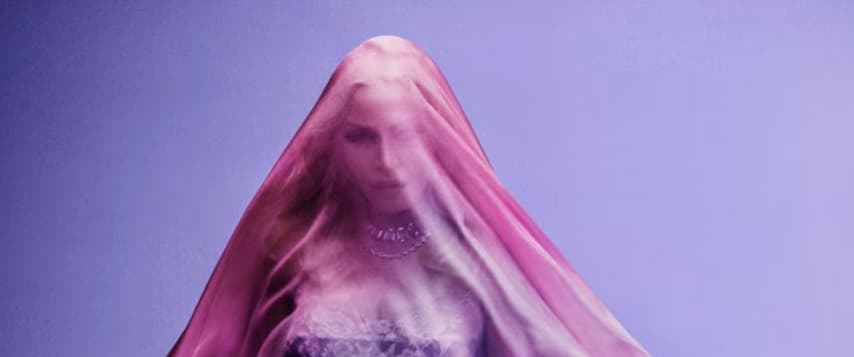
Madonna “Danceteria” Lyrics Meaning: The Club Where It Started
“Danceteria” is not just a club name. In Madonna’s story, it points to a room, a scene and a time when the future was still open. Early 1980s New York was the place where dance music, fashion, queer nightlife, art and performance pressed against each other.
The song looks back, but it does not feel like soft nostalgia. Madonna does not place the past behind glass. She brings it back into motion.
That is why “Danceteria” works as more than a tribute. It is a song about the dance floor as the first place where Madonna learned how to become Madonna.
What “Danceteria” means
Danceteria was a real New York nightclub and an important part of downtown culture in the early 1980s. It brought together music, art, fashion, performance, celebrities, outsiders and people still inventing themselves.
That context matters because Madonna is not only naming a famous place. She is naming an atmosphere.
Danceteria stands for creative freedom before it becomes polished. It was a place to dance, watch, flirt, test an identity, pass a demo tape to the right person and become visible before the mainstream was ready to look. For Madonna, that kind of space was not decoration. It was part of the foundation.
The meaning of “Danceteria”
“Danceteria” is about returning to the beginning without getting trapped there. The song reaches back to Madonna’s early club years, but with the voice of someone who knows everything that came after: fame, reinvention, loss, survival and the long work of staying in control of her own image.
“Everyone here is a work of art”
That line carries one of the song’s clearest ideas. The club is not only full of people dancing. It is full of people turning themselves into something visible.
This is where the song becomes more than memory. Madonna remembers nightlife as a place where people created themselves in public. The dance floor was not only a party space. It was a stage before the official stage arrived.
A club song about people
One of the strongest parts of “Danceteria” is that it treats nightlife as human. The club is made of dancers, DJs, friends, artists, stylists, performers and people trying to become someone else for a few hours. The song understands that a scene is not created by a building. It is created by the people who keep returning to it.
That is why the names around the song matter. Mark Kamins belongs to Madonna’s early recording story. Debi Mazar, Maripol and Basquiat belong to the world around her before fame hardened into legend.
Her early career did not begin in isolation. It grew out of places where people exchanged sound, style, desire, courage and attention.
Body language as a first language
The song also connects strongly to one of Madonna’s oldest ideas: the body can speak before words do.
“I don’t need words,
I speak in body language”
That phrase matters because Madonna’s dance music has often treated movement as meaning. In her work, the dance floor is not only escape. It is where people reveal themselves, protect themselves, perform themselves and sometimes find freedom without explaining anything.
From “Everybody” to “Vogue” to Confessions on a Dance Floor, dancing is rarely just dancing. It is a way to become visible and claim space.
“Danceteria” brings that idea back to the room where it began.
Why the song is not only nostalgic
“Danceteria” could have been a simple memory piece. Instead, it works better as a living return.
The production keeps the past moving. The song feels like someone stepping back into a club and feeling the old electricity again. The memory is not quiet. It is physical, crowded and full of motion.
That is why the track fits the wider CONFESSIONS II world. The album connects Madonna’s long history with dance music to the present, but “Danceteria” gives that history a specific address.
It says: before the arenas, before the image became global, there was a room.
The Lou Reed credit
One of the most interesting details around “Danceteria” is Lou Reed’s songwriting credit.
Reed is credited because the song briefly interpolates “Walk on the Wild Side.” That detail fits the New York setting. Reed’s song is one of pop music’s famous portraits of downtown characters, outsiders and people moving toward a city that lets them become something else.
In “Danceteria,” the reference does not feel random. It connects Madonna’s club memory to a wider New York mythology: nightlife, queer culture, art scenes, performance and self-invention.
The interpolation is brief, but the meaning is larger. It places Madonna’s origin story beside another song about people entering New York and changing shape.
Why “Danceteria” matters in Madonna’s catalog
Madonna has often used the dance floor as more than a party setting. In her music, dancing can mean freedom, sexuality, transformation, confession, community or escape. “Danceteria” continues that tradition, but it adds a clear autobiographical frame. It looks back to the dance spaces that helped form her, then turns them into sound again.
That is why the song feels personal without slowing down. It can be reflective and physical at the same time.
It also feels different from a simple career callback. “Danceteria” is not Madonna quoting herself for nostalgia. It is Madonna naming the conditions that made the self possible in the first place.
The meaning behind “Danceteria”
Madonna’s “Danceteria” is about origin. It is about the room before the arena, the scene before the legend and the people who helped make the future possible. The song remembers a club, but it also remembers a version of Madonna still becoming Madonna.
That is why the title carries weight. Danceteria is not only a place from the past. In the song, it becomes a symbol of artistic birth: messy, bright, communal and alive.
The track is a reminder that before reinvention becomes a career, it often begins in a room where nobody knows yet what will happen next.
Further Reading