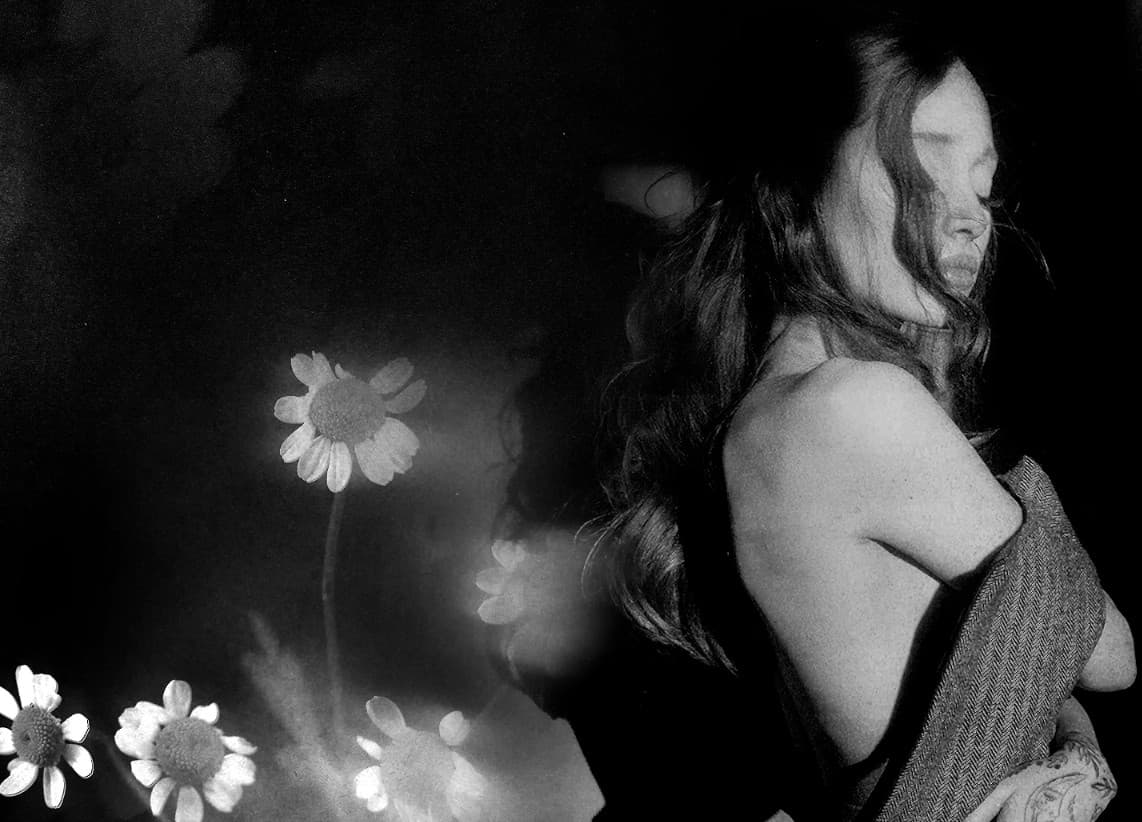
"Stay" by Ariana Grande: The "Corrective Experience" Meaning
Ariana Grande's "stay" begins with the excitement of falling for someone who seems almost "too good to be true." But underneath that excitement is a fear she cannot switch off. She wants this relationship to last, yet staying means trusting that closeness will not hurt her again.
That tension gives the song its meaning: she is ready to stop leaving, but only if staying can finally feel safe.
"Stay" Is About Choosing Not to Run
The first verse is unusually uncomplicated at first. Grande wants this person around. She cannot find anything wrong with them, and she is already falling.
Then the chorus reduces everything to one decision:
"I just wanna stay this time"
The important words are not only "stay," but "this time." They suggest that staying has not always felt possible before, and the second verse makes that fear clearer when Grande admits she has been "scared of losing things."
The song never explains exactly what happened before. What matters is that past loss is already shaping how she approaches this relationship.
"stay" - The official visualizer
She Doesn't Want to Be "Temporary"
Grande initially describes this person as almost impossibly right for her. But the song gradually reveals that attraction is not the real problem.
Security is.
She imagines that they could "make it something sweet" and tells herself there is no need to overthink. Then she admits what she actually fears: she does not want to be temporary.
"Temporary" raises the stakes: Grande does not just want to be wanted. She wants something that will last. By the second chorus, staying has therefore gained a condition:
"But can you keep me safe this time?"
That is the emotional center of "stay."
Wanting someone is easy compared with trusting them. Grande is willing to stay, but she needs to believe that doing so will not simply expose her to another loss.
The "Corrective Experience" Line Changes the Meaning
The bridge contains the song's most unusual phrase:
"Just another corrective experience"
A "corrective emotional experience" is a term associated with psychotherapy. Broadly, it describes an experience that challenges expectations or patterns formed through earlier painful experiences.
But the wording is important: Grande does not say that this person is her "corrective experience." She says that she does not want to be "just another corrective experience" herself.
That changes the dynamic. She may hope this relationship can break old patterns for both of them, but she does not want her role in someone else's life to be reduced to helping them heal and then move on.
That also gives her earlier fear of being "temporary" a second meaning: she does not want to help someone heal only to become the person they eventually leave behind.
Suddenly, the question of staying works in both directions. Grande wants to know whether she can safely remain in this relationship, but she also needs the other person to see her as something lasting.
By the end of the bridge, she knows where she actually wants to be: by this person's side.
From "Make It Mine" to "Keep Me Safe"
There is a small but important change in what Grande asks for across the song.
At the beginning, she sings:
"Make it mine, make it mine"
At first, her focus is desire. Later, desire becomes a question about safety.
This progression is what keeps "stay" from being a straightforward new-love song. Grande never loses her excitement about the other person. Instead, she realizes that wanting to stay and feeling able to stay are different things.
The song begins with "I want you."
It ends much closer to "Can I trust what happens if I choose you?"
That is also why the repeated "stay this time" feels hopeful rather than completely secure. She has decided what she wants. What she cannot control is whether the relationship will justify that trust.
Could "Stay" Have Another Meaning?
There is also a possible second reading. Within petal, Grande writes about public identity, expectations and her relationship with being a pop star, so language about staying, being temporary and feeling safe can take on a wider meaning.
But "stay" never explicitly mentions fame, music or fans. The romantic story is therefore the clearest reading; the career connection works better as a possible second layer than as the song's confirmed meaning.
Why "Stay" Matters on "petal"
"Stay" is track four on Ariana Grande's eighth studio album, petal, released on July 31, 2026.
Grande produced the track with longtime collaborator Ilya Salmanzadeh and Max Martin. Martin's involvement is notable because he appears on only a limited number of songs across the album.
Unlike songs built around anger or letting go, "stay" does not present healing as refusing to need anyone again. Grande allows another person to matter while knowing that closeness creates the possibility of loss.
"Stay" is not simply a request for somebody else to remain.
It is also Grande trying to convince herself that this time, she can.
FAQ
What is the meaning behind Ariana Grande's song "stay"?
"Stay" is about wanting a relationship to last while fearing it could still be temporary. Grande wants to stay, but only if the relationship feels safe and mutual.
What does "corrective experience" mean in "stay"?
It means an experience that helps break patterns created by past hurt. Grande fears being someone who helps another person heal but does not remain in their life.
Is Ariana Grande's "stay" about a relationship or her career?
The lyrics most directly describe a relationship. A career reading is possible within petal, but it remains an interpretation.
What album is "stay" on?
"Stay" is track four on Ariana Grande's eighth studio album, petal, released July 31, 2026.
Further Reading