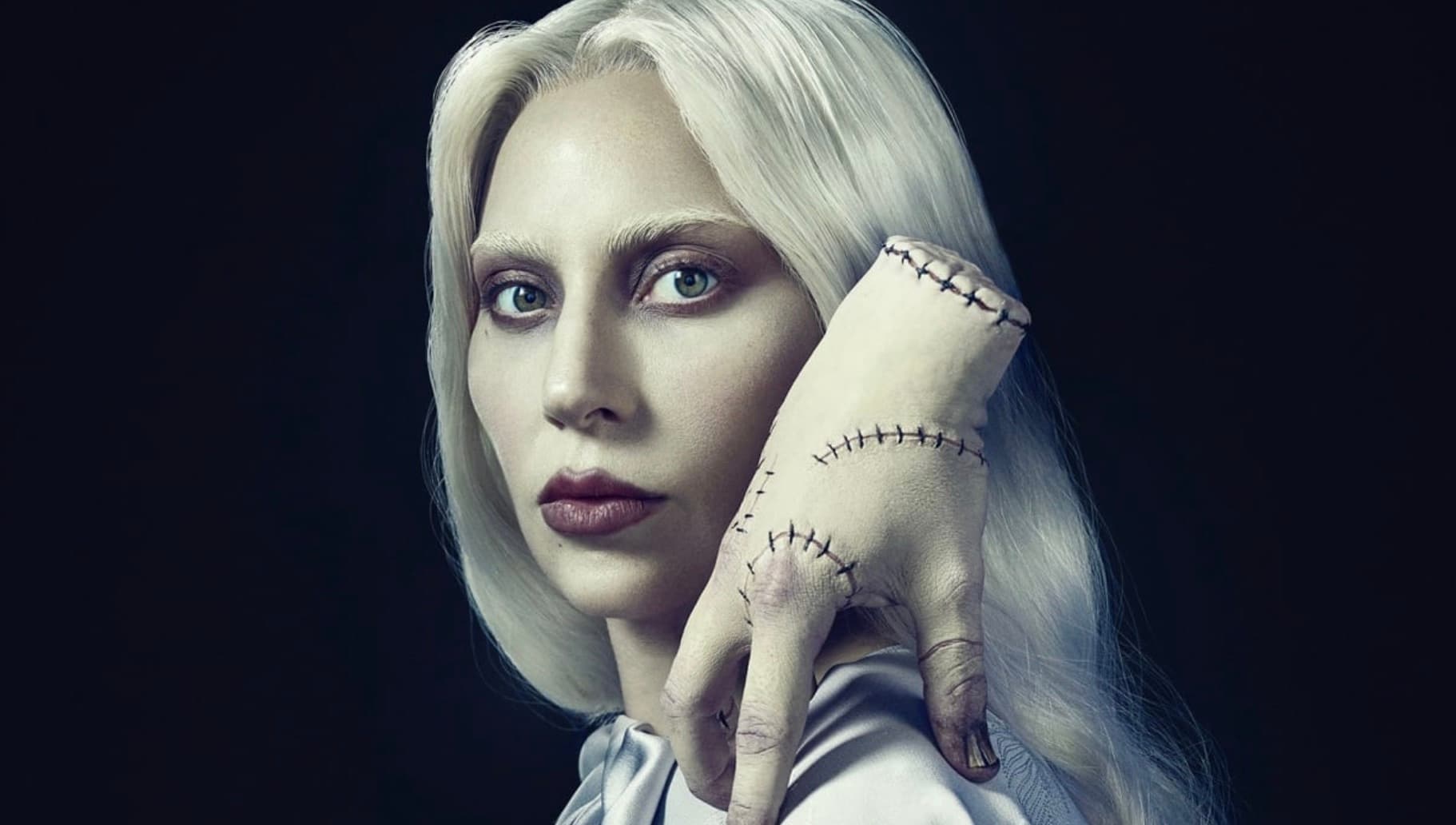
"The Dead Dance" by Lady Gaga: Song Meaning and Lyrics Insight
"The Dead Dance" by Lady Gaga uses images of death, shadows, and resurrection to describe emotional recovery. Set against dark pop production and dance rhythms, the song focuses less on heartbreak itself and more on what happens afterwards. Rather than staying trapped in loss, its narrator keeps moving, turning grief into action.
Finding strength in heartbreak
"The Dead Dance" takes place after a relationship has already fallen apart. Rather than focusing on arguments or specific memories, the lyrics begin in the aftermath. What matters is not how the heartbreak happened, but how the narrator responds to it.
One of its central lines is:
"I'll keep on dancin' until I'm dead"
The lyric sounds dramatic at first, but its meaning shifts throughout the song. Instead of treating dancing as celebration, Gaga presents it as persistence. Movement becomes a way of carrying pain rather than escaping it. The song never claims heartbreak disappears. It simply refuses to let heartbreak have the final word.
See the official video of "The Dead Dance":
How the lyrics use gothic imagery
The song draws heavily from imagery associated with gothic fiction. References to darkness, the night, and returning from the dead create an atmosphere that feels theatrical without becoming detached from emotion.
What makes these images interesting is that they are paired with dance-pop production rather than horror. References to death, shadows, and resurrection create atmosphere, while the rhythm keeps the song moving forward. That contrast gives "The Dead Dance" much of its personality, allowing it to feel dramatic without becoming overly dark.
The connection to Wednesday
"The Dead Dance" was developed specifically for Wednesday and reflects many of the themes that define the series, combining gothic imagery with questions of identity and belonging.
Lady Gaga explained that she already had the idea for "The Dead Dance" before being approached by the show's creators. Once she learned the song could become part of Wednesday, she continued developing it and shaped it for the series. That makes the track feel closely connected to the world it appears in rather than added afterwards.
Her role as Rosaline Rotwood in season two strengthens that connection even further. Because Gaga appears both as a performer and as part of the cast, the song becomes woven into Wednesday's world in a way that few soundtrack contributions achieve.
A familiar theme in Gaga’s music
While the setting may be new, many of the song’s ideas have appeared throughout Gaga’s career. She has often written about reinvention, survival, and finding confidence after difficult experiences.
What makes "The Dead Dance" stand apart is the way it combines those themes with dance-floor energy. The song never chooses between melancholy and celebration. Instead, it allows both feelings to exist together, giving the track a tension that runs through its lyrics and production.
Why the song arrived at the right moment
Part of what makes "The Dead Dance" interesting is the history behind its release. Long before joining Wednesday, Lady Gaga became unexpectedly connected to the series when fans paired Wednesday Addams' viral dance scene with her 2011 song "Bloody Mary" on TikTok.
The trend introduced the track to a new generation of listeners and pushed it back into charts around the world more than a decade after its original release.
Because of that history, Gaga’s involvement in Wednesday feels less like a surprise and more like the continuation of a connection that audiences had already created themselves. "The Dead Dance" arrives in a world where Gaga and Wednesday were already linked in popular culture.
Listen to "Bloody Mary”:
Why "The Dead Dance" resonates
Part of the song’s appeal comes from the contrast at its center. The lyrics are filled with images of death and darkness, yet the music remains energetic and forward-moving. By bringing those elements together, Gaga creates a song that feels theatrical, emotional, and surprisingly hopeful at the same time.
Further reading: