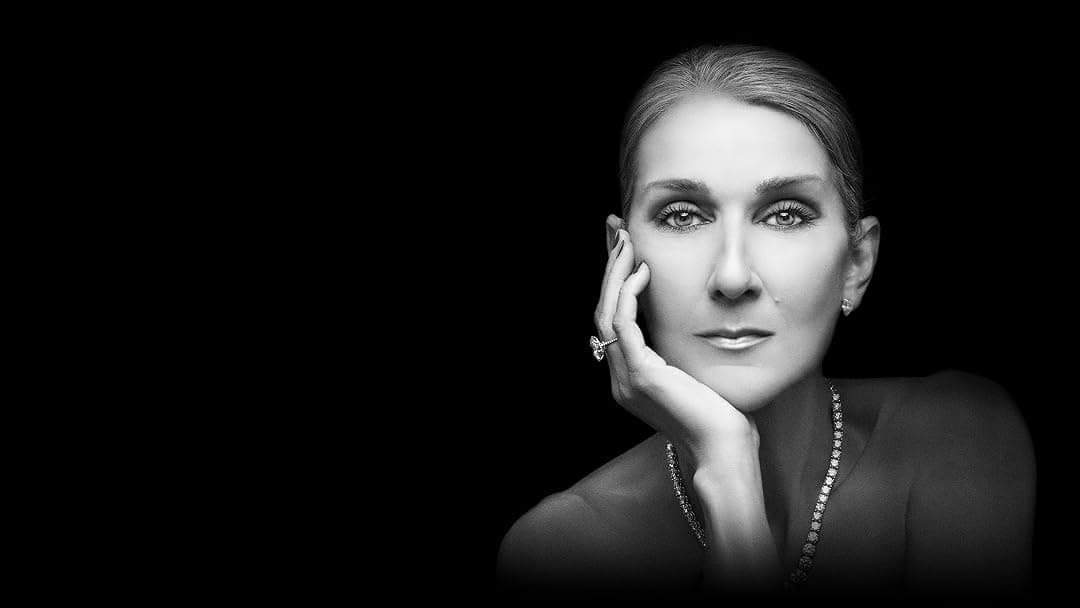
Lyrics Explained: Céline Dion's "Dansons" as an Act of Defiance
Céline Dion’s "Dansons" turns the simple act of dancing into a gesture of resistance. The song does not treat movement as entertainment. It presents dance as a way to remain upright when the world feels unstable. Lyrics.me explains what "Dansons" is really about.
Facts about the song
"Dansons" was released in 2026 and marks Céline Dion’s first new original song in seven years. Her last studio album of original material, "Courage", came out in 2019, making this return especially significant. The long pause was largely shaped by her health struggles and a rare neurological diagnosis that forced her to step back from performing.
Against that background, "Dansons" does more than introduce new music. It signals resilience. The song’s collective language and upward motion feel intentional after years of silence, as if the act of singing again carries the same defiant energy the lyrics describe.
Here’s the official Music Video of "Dansons" by Céline Dion:
The meaning behind "Dansons"
At its core, "Dansons" is about choosing action when standing still would be easier. The song opens with images of heights and abysses, placing the listener in a world that feels unstable from the start. This is not abstract decoration.
By situating the dance above voids and sharp edges, the lyrics frame movement as something risky. Stability is not assumed. It has to be created.
When Dion sings:
"Et les bas-fonds, quittons, volons, valsons"
English translation:
"Let us leave the depths, let us fly, let us waltz"
the rapid sequence of verbs creates momentum. The dance is not spontaneous joy. It is a deliberate counterweight to despair.
The image of walking "sur un pas, sur un fil" suggests a tightrope. That detail shifts the meaning of dancing. It becomes a balancing act rather than carefree motion.
The bodies are described as intertwined, hands tied together. This physical closeness functions as a strategy. Unity is presented as the only way to remain upright when the ground feels uncertain. Forgetting pain in this context does not mean denying it. It means suspending it long enough to continue.
From intimacy to responsibility
Midway through the song, the perspective widens. What begins as a shared act between two people turns outward. The line
"Let us dance to be and to remain upright"
redefines dance as an ethical stance. Remaining upright signals dignity and integrity. It is not just about posture, but about refusing to give in.
It stands in for those who cannot move or speak for themselves. That expansion changes the emotional register of the song. What first sounded romantic now carries social weight. Movement becomes a form of solidarity.
When the lyrics state that one can only dance while standing, the idea is simple but pointed. To dance, you must be upright. Symbolically, that means not collapsing under pressure.
A controlled answer to chaos
The recurring invitation to dance among the stars contrasts human fragility with a vast, indifferent cosmos. The scale difference matters. It emphasizes that even small, physical gestures can assert presence in a world that feels out of control.
What gives "Dansons" its force is this logic of response. Every reference to danger or hostility is followed by a call to move. The structure reinforces the message: paralysis is not an option. In that sense, dancing is not escapism. It is a conscious, disciplined way of maintaining dignity and connection in a reality that feels increasingly unstable.
Further Reading