Look Mum No Computer "Eins Zwei Drei": Meaning & Translation
The United Kingdom brought one of the most unconventional entries to the Eurovision stage in 2026 with "Eins, Zwei, Drei" by Look Mum No Computer. Built on buzzing modular synths and sharp retro electro energy, the track blends British humor with German counting in a way that feels playful on the surface yet surprisingly symbolic underneath. Lyrics.me explores what the song is really about.
Facts about the song "Eins, Zwei, Drei"
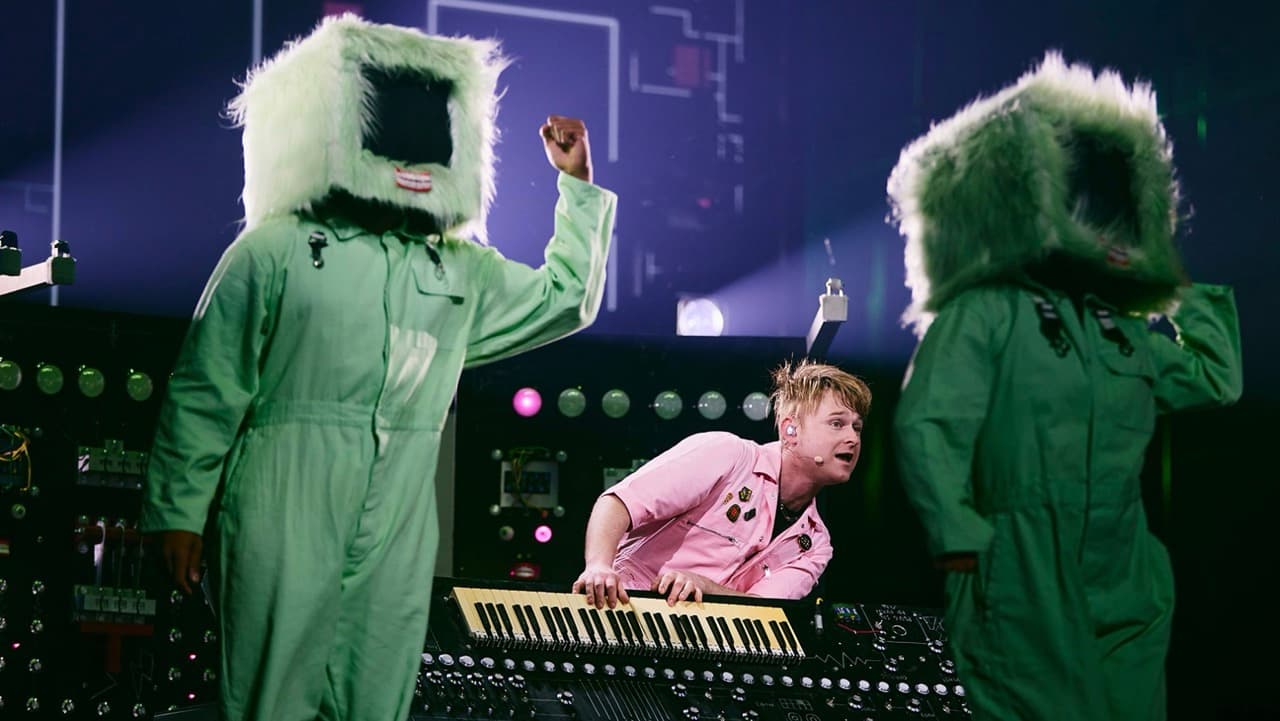
Behind the name LOOK MUM NO COMPUTER stands Sam Battle, a musician and inventor known for building his own synthesizers and experimental sound machines. "Eins, Zwei, Drei" was produced using his custom built Kosmo modular system, giving the track its raw, slightly chaotic analog punch.
Musically, the song blends energetic synth pop rhythms with witty lyrics about office life, boredom, and the desire to escape everyday routine. The repeated German phrase "Eins, zwei, drei" (English: "one, two, three") becomes both a hook and a rhythmic engine, cutting through the track like a reset button. Compared to more polished mainstream pop productions, the song embraces a deliberately DIY aesthetic that mirrors Battle’s hands on creative identity.
Listen to the song: "Eins, Zwei, Drei" by LOOK MUM NO COMPUTER
The meaning behind "Eins, Zwei, Drei"
At its core, "Eins, Zwei, Drei" captures the frustration of repetitive daily routines and the longing to break free. The opening lines set the tone immediately:
"So sick of doing the whole nine to five
I paid my dues, I'm just staying alive"
These words paint a picture of monotony and emotional fatigue. The office cubicle becomes a symbol of feeling trapped, while references to medication and demotivation underline the mental toll of a life stuck on autopilot.
The turning point comes with one of the song’s most revealing lines:
"Counting in English doesn't cut the mustard"
Here, the act of counting in German becomes more than a quirky gimmick. Switching languages symbolizes a mental shift, a playful rebellion against routine. German counting sounds punchy, rhythmic, and slightly foreign to English ears. By repeating "Eins, zwei, drei," the song creates a sense of restarting, like pressing a reset button on life.
Throughout the chorus, the phrase is tied directly to renewal. Each repetition builds toward the declaration that the narrator is "coming back to life". The counting becomes a catalyst for transformation, a simple three step mantra that moves the character from drudgery to self rediscovery.
There is also a subtle European undertone. References to euros and jumping on a plane suggest escape beyond familiar borders. German, as one of Europe’s most widely spoken languages, reinforces this idea of stepping outside the everyday British routine and embracing something broader and more liberating.
Energy, staging, and lasting impression
"Eins, Zwei, Drei" thrives on its mechanical momentum. The pulsing synths mirror the ticking of a clock, while the shouted counting disrupts that same rhythm. This tension between structure and chaos reflects the song’s central theme: breaking out of systems that feel too rigid.
On stage, the repetitive counting worked as an interactive moment, easy for audiences to latch onto regardless of language. The simplicity of "Eins, zwei, drei" made the message universally accessible. Sometimes, all it takes to spark change is counting to three and deciding to begin again.
Further Reading