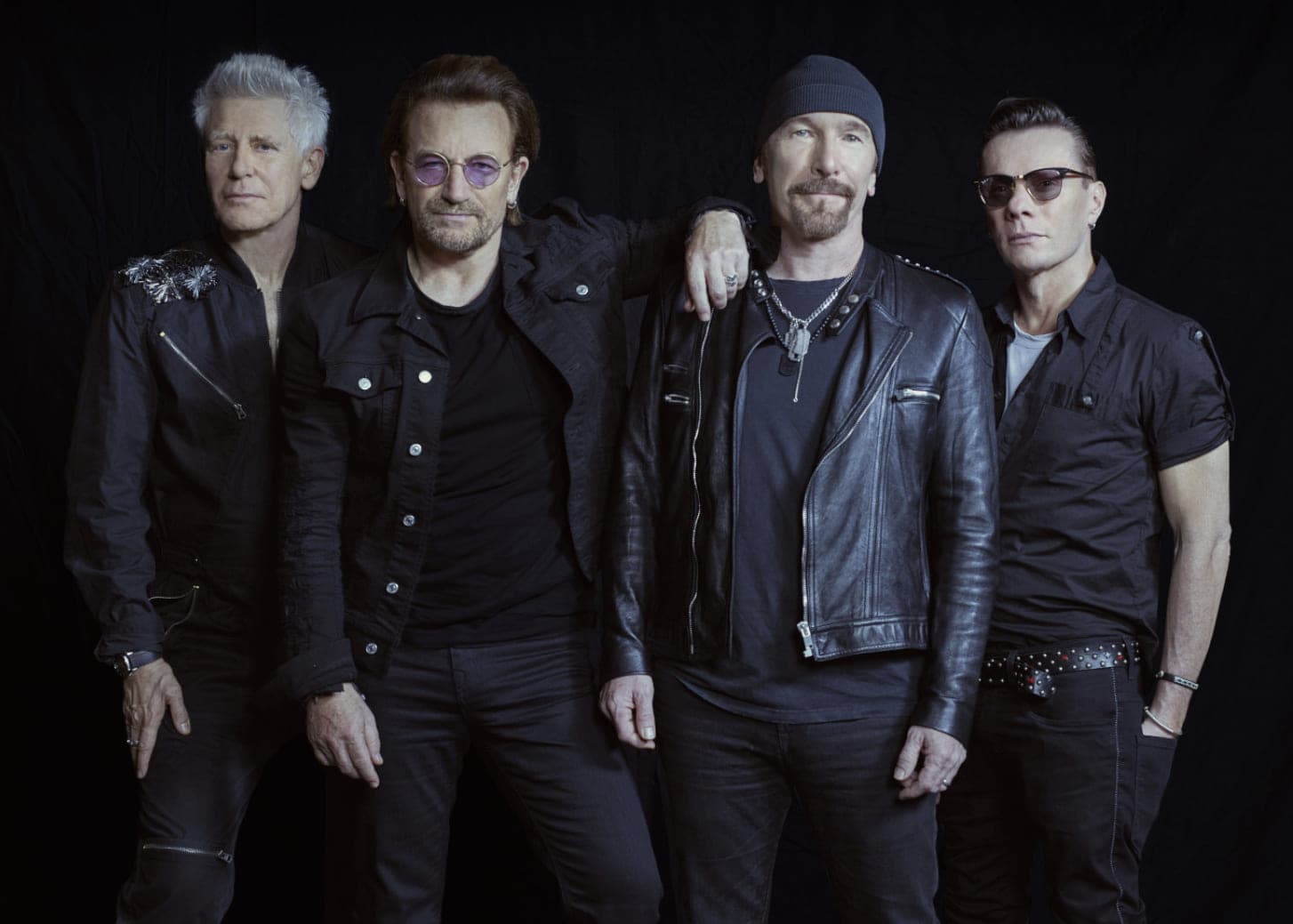
U2 "Silencio": The old guitar riff behind the song
U2's "Silencio" began with a guitar riff The Edge had kept from the Songs of Innocence sessions. The track combines Spanish phrases, religious imagery and references to violence. In Rolling Stone, Bono and The Edge discussed its connection to censorship and self-censorship.
An old riff, a new track
The Edge brought the guitar idea back during the sessions for Carnaval De Luz. Producer Jacknife Lee wanted more energy on the album, and the unused riff gave U2 a starting point for a harder-edged song.
The track's development was discussed in a September 2026 Rolling Stone interview. Ryan Tedder also contributed additional production to "Silencio", according to the reported album credits.
What does "Silencio" mean?
"Silencio" translates from Spanish as "silence". The lyrics move between a baby who does not cry, the sound of the ocean, a whisper and a gunshot. Elsewhere, they describe people being told not to speak.
The Edge has described silence as both peaceful and potentially dangerous when it becomes censorship or self-censorship. Bono connected the subject to Hannah Arendt's writing about the banality of evil. Their comments provide a documented basis for understanding the song's central concern without inventing a personal backstory. One line states,
"In the silence the devil rock and rolls"
The Edge highlighted it in the interview, connecting the song's religious language with its concern about silence.
Religion, violence and crowd control
The lyrics name Mary, Jesus, the Father, the Son and the Holy Ghost. They also mention the devil, pepper spray and a church involved in crowd control. The line
"Pepper spraying, church is playing crowd control"
is particularly direct. However, neither the published lyrics nor the cited interview identifies a specific incident behind it. Associating the line with a named protest or political confrontation would therefore be speculation. The chorus introduces a more personal question:
"Where did our love go?"
It also addresses "Jesus of Rio". The lyrics do not identify the person being addressed or explain the specific reference, leaving those details undocumented.
"Silencio" - The official music video
Why does U2 use Spanish?
Alongside the title, the lyrics include tranquilo ("calm" or "peaceful"), sereno ("serene") and amigo ("friend"). These words appear within predominantly English verses rather than a separate Spanish section.
The album's carnival imagery provides broader context for the song's language, but U2 have not published a line-by-line translation or explained every Spanish phrase. The closing wording is particularly difficult to interpret confidently without further context.
When was "Silencio" released?
U2 released "Silencio" on September 24, 2026, ahead of Carnaval De Luz, scheduled for November 13 through Island Records. The accompanying music video was directed by Cliqua, the Mexican-American directing duo.
The album marks the band's first full-length collection of new material in nine years. For "Silencio", the most firmly documented details are its musical origins and the band's stated concerns about censorship. The sources cited here do not establish a single real-world event as the song's inspiration.
FAQs
What does "Silencio" mean in English?
"Silencio" means "silence" in Spanish. The word serves as the song's recurring refrain.
Who produced U2's "Silencio"?
Jacknife Lee produced Carnaval De Luz, with Ryan Tedder contributing additional production to the track.
Further Reading